Celebrate Friends of Libraries!

By Omar Jawdat, Blog Intern

A graphic that features and image of shelves at a library and the text: “Friends of Libraries Week! October 20 - 26, 2019”

A graphic that features and image of shelves at a library and the text: “Friends of Libraries Week! October 20 - 26, 2019”

Friends of Libraries groups have their own week dedicated to raising awareness around both community and campus libraries throughout the country. Through funding and celebration, National Friends of Libraries Week commemorates and recognizes the important services that libraries provide to children and students, such as reading programs, author events, special collections, and new technologies. United for Libraries will coordinate the 14th annual National Friends of Libraries Week Oct. 20-26, 2019. This week will also provide a chance to promote Friends of Libraries groups in your community, as well as sign up for membership!     

Libraries serve to bring communities together, integrating groups or individuals under the same roof, where people can access data through books, internet, and other resources. Social roles of libraries include active participation in reading, forming clubs, or read aloud programs. Libraries also help foster literacy programs and studies for students of all ages. It is also a place where meetings, conferences, or tutoring can take place.

Friends of Libraries Associations 

‘Friend of Libraries’ are members from non-profit charitable groups that volunteer to support their local libraries. Friends of Libraries helps promote libraries in the community by fundraising, sponsoring programs/other special events, and serve as spokesmen to encourage and advocate for lifelong learning. Friends are also recognized by the library staff and Board of Trustees for their help and support in the libraries.   

How Can I Participate In This Celebration Week? 

If you are thinking of creating or reorganizing a Friends group, the United for Libraries association offers a variety of resources and ideas for all types of Friends groups. If you would like to volunteer, contact your local library and find out how you can join Friends. You can always start in your own community if your library does not have a Friends group. To access these sources and learn more information, visit: (www.ala.org/united/friends).  

The American Library Association (ALA) provides resources to celebrate libraries, helping you get involved and speaking out on behalf of libraries, as well as keeping you informed and up to date on the issues and trends affecting libraries: www.ilovelibraries.org

donate today

Sources: 

  • www.ala.org/united/events_conferences/folweek

  • www.ilovelibraries.org/article/national-friends-libraries-week-1

  • www.ala.org/tools/research/librariesmatter/category/social-role-library

  • www.lib.washington.edu/support/friends/friends-of-the-libraries/
    

Become a Reading Role Model

By Omar Jawdat, Blog Intern

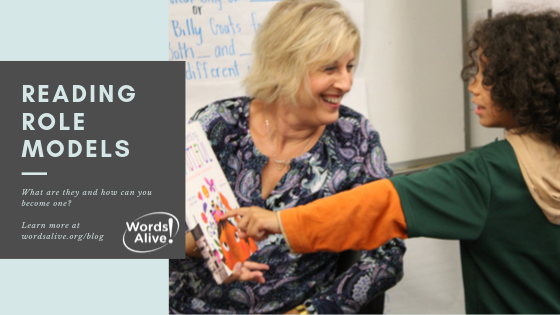
A graphic that shows one of our volunteers holding up a book while a student points at it. The text says, “Reading Role Models: What are they and how can you become one?”

A graphic that shows one of our volunteers holding up a book while a student points at it. The text says, “Reading Role Models: What are they and how can you become one?”

Reading role models help encourage children not just to read, but to have fun while reading! Kids are influenced by their parents, teachers, and care-givers, all of whom can be considered role models for reading. It is important for these role models to influence their kids by demonstrating enthusiasm while reading, and helping them discover new and diverse forms of literature. It is also important to be aware of a child’s reading. When kids feel that their work is valued, they are also encouraged to continue their choice to read. Reading role models are overall “critical to instilling reading as an integral part of a child’s life.”

Children who are frequent readers tend to have more reading role models. Frequent readers also tend to have greater access to books. Unfortunately, “having access to books, whether in or outside the home, is not a reality for all kids.” An estimated “103 books are present in home libraries of children ages 6-17, yet this varies widely. Most strikingly, frequent readers have an average of 139 books in their homes vs. 74 in infrequent readers’ homes.” 42% of frequent-reading kids claim that they have trouble seeking books that catch their interest. Infrequent readers have a 59% chance of not being able to find books that they are interested in reading. 

Therefore, it’s important for libraries to provide a wide range of diverse books that include different types of stories, characters, and plots. As kids grow older, their interests can change, and their curiosity and eagerness for knowledge grows with them.

Reading Role Models at Words Alive!

All volunteers at Words Alive are reading role models, especially volunteers in the Read Aloud Program and the Adolescent Book Group. These volunteers dedicate their time and read together with students and kids of all ages (from elementary school to high school and college), discussing the stories and talking about how the book impacts them in different ways. For children, it serves to help develop cognitive, language, and social-emotional skills as they grow. Having a reading role model at Words Alive makes students aware of the importance of literacy, and helps explore the values of books, reading them not just as an assignment, but as a hobby and passion.  

donate today

Sources: 

  • www.scholastic.com/readingreport/access-matters.html

  • www.huffpost.com/entry/be-a-reading-role-model_b_5813a56ae4b08301d33e0906

Volunteer of the Month: Mary Weatherup

An image of Mary standing in front of the Shakespeare  Company bookstore!

An image of Mary standing in front of the Shakespeare Company bookstore!

Words Alive spotlights the amazing accomplishments and service of volunteers each month with our Volunteer of the Month award. This is an important way for us to thank you, and to honor just a few of the many great moments in time you have given to the organization.

This month our Volunteer of the Month is Mary Weatherup! Mary joined the Words Alive family fairly recently, but we have been so impressed by her dedication to our mission. She is a curriculum volunteer who diligently worked on a curriculum guide for our middle school students this summer, and she enthusiastically jumped in when we needed extra help on a guide for this fall! We were also so grateful for her support at our Author’s Luncheon & Fundraiser!

Now, let’s hear more from Mary!

For as long as I can remember, I've been an avid reader. Entire childhood car trips and family vacations are a blur, lost to whatever story I was reading at the time. All these years later, it's still hard to tear me away from a good book.  I have a Master's Degree in English Literature and have spent years working in a university writing center. Upon moving to San Diego, I was looking for a way to use my love of reading and teaching skills, and Words Alive! seemed like a perfect fit. I started my volunteer work in May of this year, compiling a curriculum guide for middle grade readers. I learned a lot in the process, and I'm currently helping out with another guide. My favorite Words Alive! event so far was the Annual Author’s Luncheon & Fundraiser. It was a great way to learn more about the organization and meet the new Executive Director, and I loved hearing Emma Donoghue speak. I'm so inspired by the difference Words Alive! is making in the community.

I'm currently reading The Testaments by Margaret Atwood. As a big fan of The Handmaid's Tale, I had to have this one hot off the press! I am also looking forward to The Dutch House, a new novel by Ann Patchett, who is one of my favorite authors. Perhaps the best book I read this year, however, is an older novel, A Member of the Wedding, by Carson McCullers. It was such a sensitive story and beautifully written.

Learn more

How Did Book Clubs Start?

By Omar Jawdat, Blog Intern

book clubs.jpg

A book club is a reading group made up of several people. They can either meet in public, such as libraries, classrooms, coffee shops, or other rooms and buildings, or they can also meet in people’s homes. Together, the groups discuss a particular book they are reading, asking questions and sharing thoughts, opinions, and ideas about the selected book. Book clubs have always had a foundation based in contemporary politics, society, and religion. These clubs are also a great way to meet new people who share similar interests in books, genres, and reading material. 

The popularity of book clubs is due to the importance of engaging in conversation about books. These discussions heighten our perspectives and knowledge about a particular story or event. It also helps improve reading comprehension and other literary skills that allow us to effectively articulate and nurture the reflection of not only literature, but ourselves as well. Book clubs also inspire positive attitudes towards books, such as a love for reading and appreciating literature in its diverse art form. Book clubs for students encourage them to read in more extensive and intensive ways, as it exposes them to a multiplicity of perspectives. 

How Did Book Clubs Begin? 

The evolution of American book clubs began in the early 17th century, when religious renegade Anne Hutchinson organized a female discussion group pertaining to sermons, all while being on a ship that was heading to the Massachusetts Bay Colony in 1634. In 1727, Benjamin Franklin was also a pioneer of today’s social gatherings of book clubs when he organized a ‘prominent Philadelphian literary society called the Junto, which was made up of 12 members. ‘The group met weekly to discuss moral, political, commercial and scientific topics of the day.’ For the next three centuries, prominent American figures have kept the tradition alive through constructing reading societies and study groups related to education in school, particularly in literacy.

In the past, the majority of book clubs have been organized and centered upon oppressed minorities and women. They provided a ‘self-culture’ for people, as well as a ‘mutual desire for self-cultivation through literature.’ Women’s groups have made book clubs an ideal place for consciousness-raising and collective engagement, in the aims for intellectual growth.   

Adolescent Book Group

Volunteers at the Adolescent Book Group Program here at Words Alive focuses on facilitating monthly or bi-weekly book discussions, writing workshops, and other projects within classrooms to help improve students’ reading analysis, literacy, vocabulary, and critical thinking. The ABG program also provides opportunities for underserved teens to achieve academic and social success. Teens in book group discussions will gain college-ready skills that will enhance their critical-thinking, ability to express themselves, public and interpersonal communications, and overall confidence/self-esteem.   

donate today

Sources: 

  • www.thoughtco.com/what-is-a-book-club-738891

  • www.minnpost.com/books/2009/09/evolution-american-book-clubs-timeline/

  • cpet.tc.columbia.edu/one-book-book-club/book-club-in-the-classroom-10-tips-for-success

  • daily.jstor.org/feature-book-club/

Reading To Evolve, To Connect, and To Share

By Dawn Miller, Head Teacher at Lindsay Community School

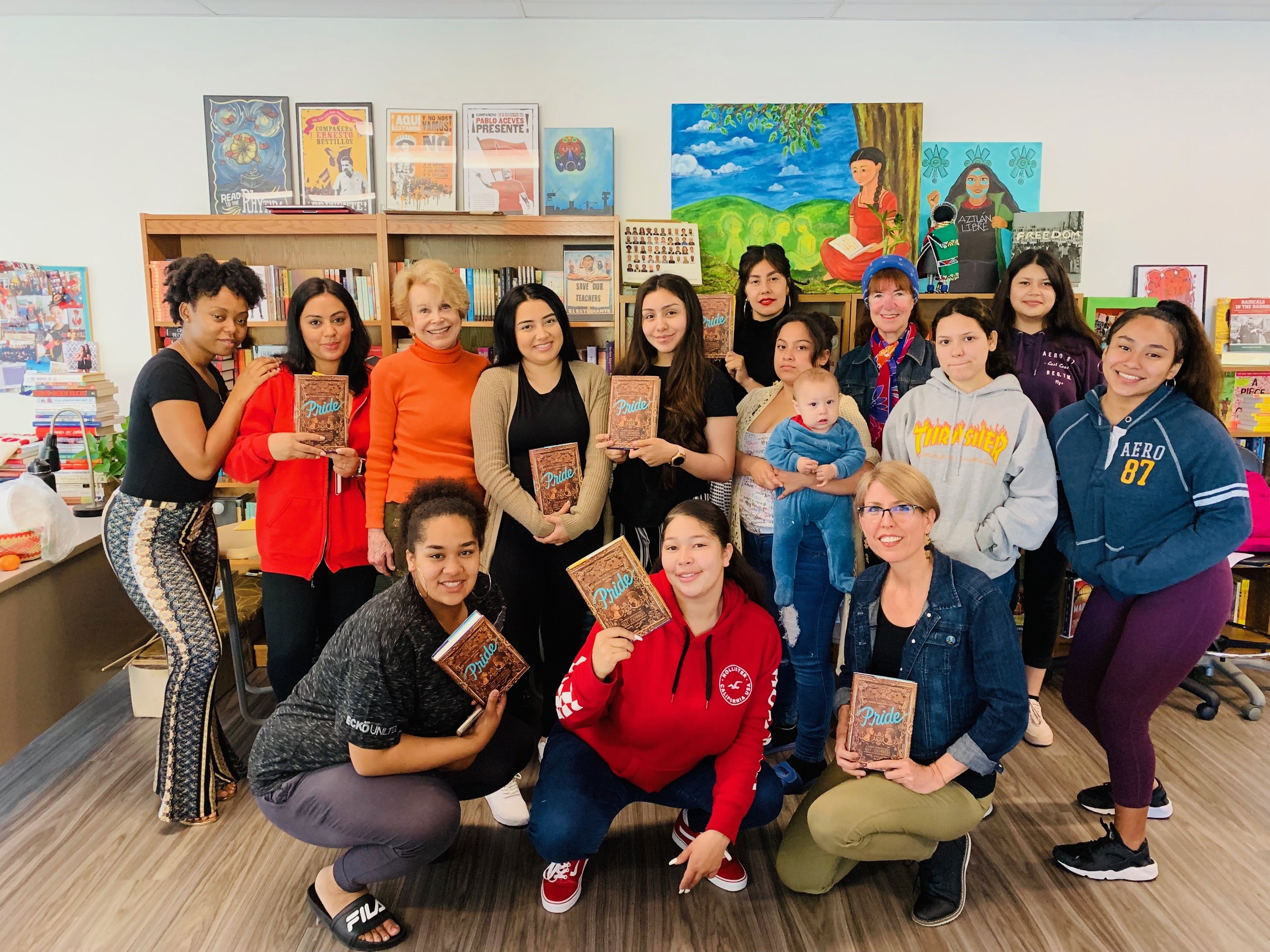
An image of Dawn with her students as they hold up copies of the book, Pride.

An image of Dawn with her students as they hold up copies of the book, Pride.

Twenty years ago, I was approached by my then principal Tracy Thompson and Leslye Lyons about launching a book club for my students at Lindsay Community School. Books and reading had played an integral role in my own survival as a child and young adult, and this fundamental understanding of the undeniable power of words naturally translated into my classroom at Lindsay, where we try to provide any and every opportunity for our students to latch onto a book and fly

So of course, when I met Leslye, we jumped at the chance to work with her and her new Words Alive project. And for any of you who have ever met Leslye, you know that she has that twinkle of the eye when she’s talking about books -- the one that tells you she doesn’t just read for leisure or entertainment, Leslye reads to evolve,  to connect, to unlock and share the secrets of our own humanity.  This rare and discerning awareness provided the foundation for Words Alive, and has guided the powerful work that has continued to come out of this project for the last 20 years. I recognized that twinkle the moment I met her, like when pain sees pain, or struggle sees struggle, with no words spoken -- and we couldn’t wait to begin the work.  

For the past 20 years, Words Alive volunteers have come into our school space, each month, to engage in the sparring of book talk. If I could give a quick shout out to our current volunteers - Mona, Geri, Sally and Jean - these extraordinary women also go around flashing that eye-twinkle-thingy and they share so much of their hearts with our students — we are deeply indebted. 

I’m assuming that most of the folks in attendance here today, also have a passion for reading, and you all might think that conveying that passion to and with a group of young folks might be challenging, but ultimately doable because you just know they’re gonna love that right book so much because your own love of books - it’s just a matter of getting that right book in the right hands . . .   But with our students, both at Lindsay and JCCS-wide, sharing this love requires you to put in work - real work - sometimes uncomfortable, often gut-wrenching and always formidable, work. Because as you may or may not know, the students of Lindsay are young mothers, and this already exiled status is compounded by homelessness, physical and sexual abuse, abandonment, family separation, system brutalities and endless other traumas and tragedies that the very best of us here, could not withstand.  BUT they make their way, each day - and I share their struggles with you now, not for sympathy (for sympathy does not empower), but to highlight their extraordinary resilience and undeniable courage in a world that works daily to smother them.

So when our Words Alive volunteers come monthly to spar - they come armed with books, of course, but more importantly, they come armed with compassion and understanding, without judgement or verdict, ready to learn and listen to one another in endless acts of patience and love. The girls also come packing - with sharp and quick-witted tongues, astute analyses, profound reflections, and grand criticisms. And somewhere in the middle of this motley crew, a million magical moments of hope are born. Books and reading are already mighty in their own right, but in the right context and wielded in a righteous way, they are also transformative.

What is borne of those monthly book circles is hard to describe, but what I witness can most aptly be called a political act. Sometimes the students are emboldened by stories of rebellion and insurrection, led by stronger-than-life women characters, real and unreal. Other times they are enthralled by collections of poetry that rip their already broken hearts out, but also remind them that through their pain comes strength. Often, they are so moved by a story or character battling similar Sisyphean struggles to their own, they become immediately resolved to pen their own stories of inequity, but this time, and in real life, with endings of justice and liberation.

Regardless of the book, it is in these moments that reading becomes an emancipatory act - a momentary vision of what is possible and how to get there. These students, who have been systematically stripped of their dignity, are suddenly circled in a space where they find themselves, their dreams and their words, ALIVE.  

donate today


What Are Alternative Schools?

By Omar Jawdat, Blog Intern

alternative schools.png

An alternative school refers to schools in which the learning experience for students attending is not the same as traditional schools. Their methods and systems satisfy different requirements, which are intended for students who have trouble learning in a traditional classroom, need extra support/guidance, have difficult life circumstances, social and behavioral difficulties, or wish to focus on specific areas of study.  

Examples of Alternative Schools:

  • Charter schools are tuition free schools that are open to all students. They are often operated independently from the traditional school district, and provide ‘high quality instruction from teachers who have the autonomy to design a classroom that fits their students' needs. They are led by dynamic principals who have the flexibility to create a school culture that fosters student performance and parent satisfaction’.   

  • Magnet Schools operate within public schools. They consist of free public elementary or secondary schools of choice. Magnet schools provide specialized, enhanced training and teaching for students in specific subjects of interest. These range from STEM programs (science, technology, engineering, math), to performing arts, leadership, and world language programs. 

  • Juvenile court schools offer public education for juvenile offenders coming from regional youth facilities, camps, homes, or day centers. The purpose of juvenile court schools are to provide quality learning opportunities in order to complete a course of studies for a high school diploma/GED. Students in the state of California are required to take public education assessments such as the California High School Exit Examination and the Standardized Testing and Reporting Program. Students from the ages of 16 to 18 ‘who are not exempt from compulsory school attendance are required to continue their public education. These students are provided planning and transition services critical to a successful transfer back to a public school.’   

How Is The Learning Experience Different in Alternative Schools?

Alternative schools differ from traditional schools in many ways. This can look like smaller class sizes, which allow teachers to provide more individual attention to students, which is tailored to meet specific student needs. Students in alternative schools also have access to more flexible schedules and graduation requirements. Classes could be attended at night if students have jobs or children. Flexible graduation requirements pertains to students having the opportunity to have more choices in the classes they take, instead of having to take one math, one English, and one science class, etc., in order for students to focus on a particular subject of interest to pursue in the future. In addition to academic needs, alternative schools also provide additional resources that cater to emotional, social, and mental needs of a student.  

Words Alive’s Adolescent Book Group Program

Words Alive’s Adolescent Book Group Program is designed to engage teens attending alternative schools, or those facing extraordinary circumstances, by bringing books alive for students through conversation, writing, and projects. Words Alive places caring adults in the classroom to help support teens as they explore how to make connections between what they are reading and the world around them. 

donate today

Sources: 

  • blog.prepscholar.com/alternative-high-schools

  • www.publiccharters.org/about-charter-schools

  • www.waldenu.edu/programs/education/resource/what-is-a-magnet-school-and-does-it-offer-a-better-education

  • www.cde.ca.gov/sp/eo/jc/cefjuvenilecourt.asp    

Banned Books Week!

By Omar Jawdat, Blog Intern

Banned Books Week (Sept. 22 - Sept. 28) recognizes the intellectual freedom to read and express opinions. It also brings to attention the current and historical attempts to censor certain books in schools and libraries, which deprives students the ability to explore new ideas and learn about the issues we face in the world. That is why Banned Books Week aims to bring book communities together (librarians, booksellers, teachers, journalists, authors, publishers, and readers of all types) to freely express their ideas and possess the freedom to explore different varieties of books, despite whether or not it’s considered popular or appropriate.

Censorship of books is a deprivation of one’s curiosity to explore and expand one’s thinking, knowledge, or broaden life perspectives. Censoring books could also prevent socio-political progression and innovation. That is why at Words Alive, we support Banned Books Week and the spotlight it places on issues surrounding censorship. 

Examples of Banned Books:

The Hate U Give by Angie Thomas 

the hate u give.jpg

Starr Williams is a ‘16-year old girl who navigates between her poverty-stricken neighborhood and the wealthy suburban prep school she attends. She is also the sole witness to the police shooting of her best friend Kahlil, who is unarmed but may or may not have been a drug dealer.’  

This story has been attacked by ‘would-be censors’, such as officials in Katy, Texas, claiming that it contains a “‘perversely vulgar” depiction of drug abuse, profanity, and offensive language.” The book was inspired by the Black Lives Matter Movement, which raises attention to the continued existence of prejudice and police violence, as witnessed by the main character of the YA novel, Starr Williams. However, thanks to Ny’Shira Lundy, a teenage student in the school’s district, 4,000 signatures on a petition were gathered, calling for the restoration of the book. Students are still required to get parental permission for access of the book. 

According to Ny’Shira Lundy, The Hate U Give inspired her style of writing. She was able to connect with the character Starr, as she also attended a predominantly white prep school, where she struggled to find her own voice. 

1984 by George Orwell 

1984.jpg

‘The main character, Winston Smith, is a civil servant of the ironically-named Ministry of Truth, responsible for carrying out the State’s historical revisions in order to maintain control over the individuality and intellect of the people’.

The novel has been repeatedly banned and challenged, due to its content of nationalism (pro-communism), sexual themes, and themes around control, censorship, and privacy. In 1950’s communist Russia, the book was burned under Stalin and the USSR. Ownership meant possible arrest until 1990, when it was accepted again in the country after content-editing. In 1980, the book was also banned in Jackson County, Florida for its explicit sexual content. From 2009-10, Amazon deleted it from its kindle databases due to its controversy.

Ironically, 1984 raises important issues concerning communism and the eerie thought of an abusive, overpowering government. The novel also represents dystopian genres in literature. ‘Dystopia’ refers to an imagined state of future society, where injustice and totalitarianism dominates a certain environment. 

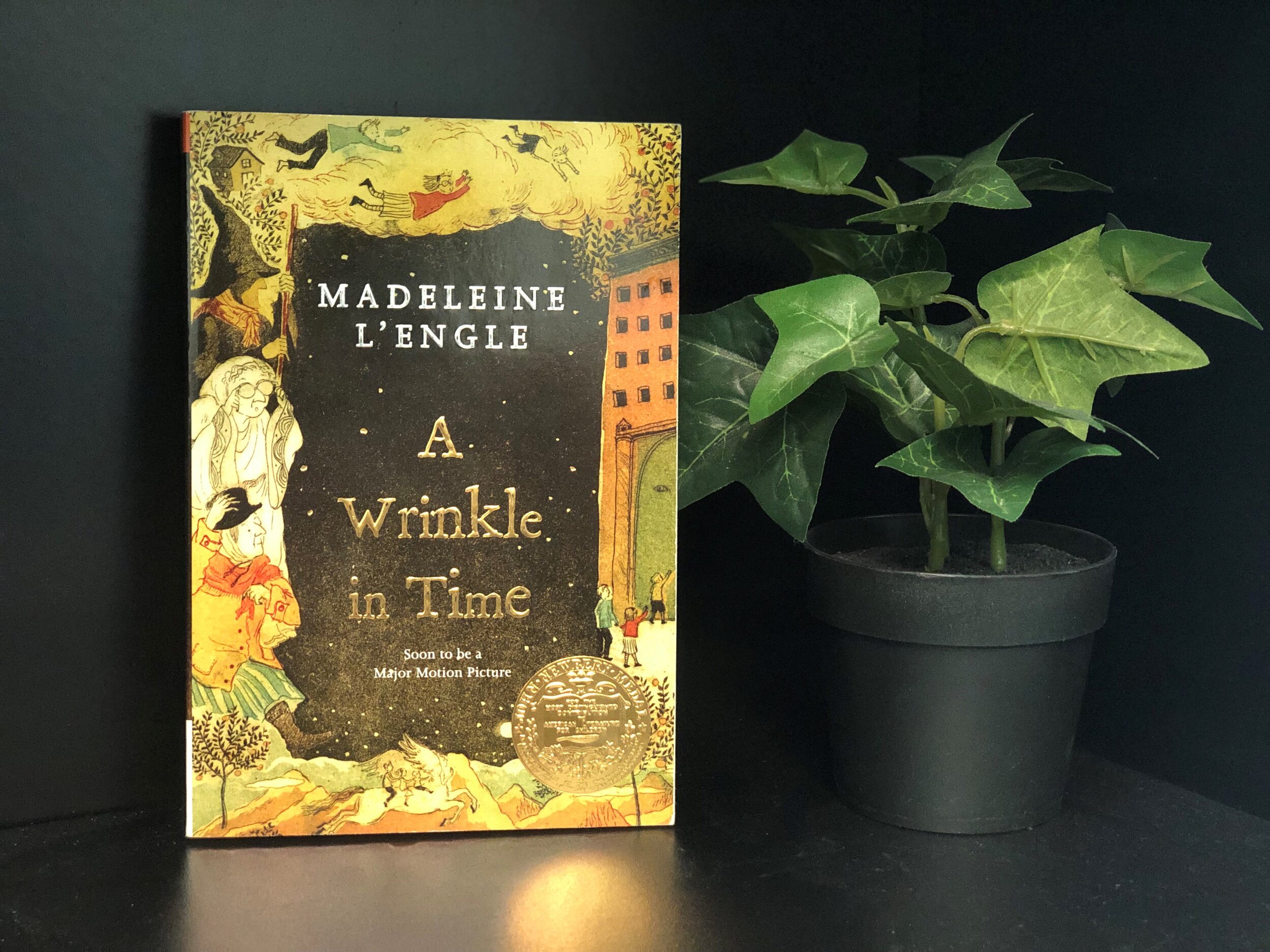
A Wrinkle in Time by Madeleine L’Engle 

wrinkle in time.jpg

This novel tells of a story about a girl named Meg Murry, who travels through time and space in order to save her father from evil forces. Much of the novel’s thematic aspects involve religious ideology, mixed with a sense of radical ideas that intertwine science and religion. The book was frowned upon by the Christian community, labeling the novel as ‘unorthodoxy’ and ‘heretical’. Other viewers claimed that the book ‘encouraged witchcraft, or heretically conflated Christianity with the occult.’   

L’Engle believes in an overlying concept of spirituality and science coexisting together. The idea of putting figures such as Jesus, Gandhi, Einstein, and Bhudda in the presence of each other and fighting against the forces of evil challenged and went against Christian principles. Christians assumed that L’Engle was giving the implication that these four figures were of equal significance to each other. The Disney movie’s adaptation omitted aspects of the novel that originally contained depictions of science and religion mixed together.  

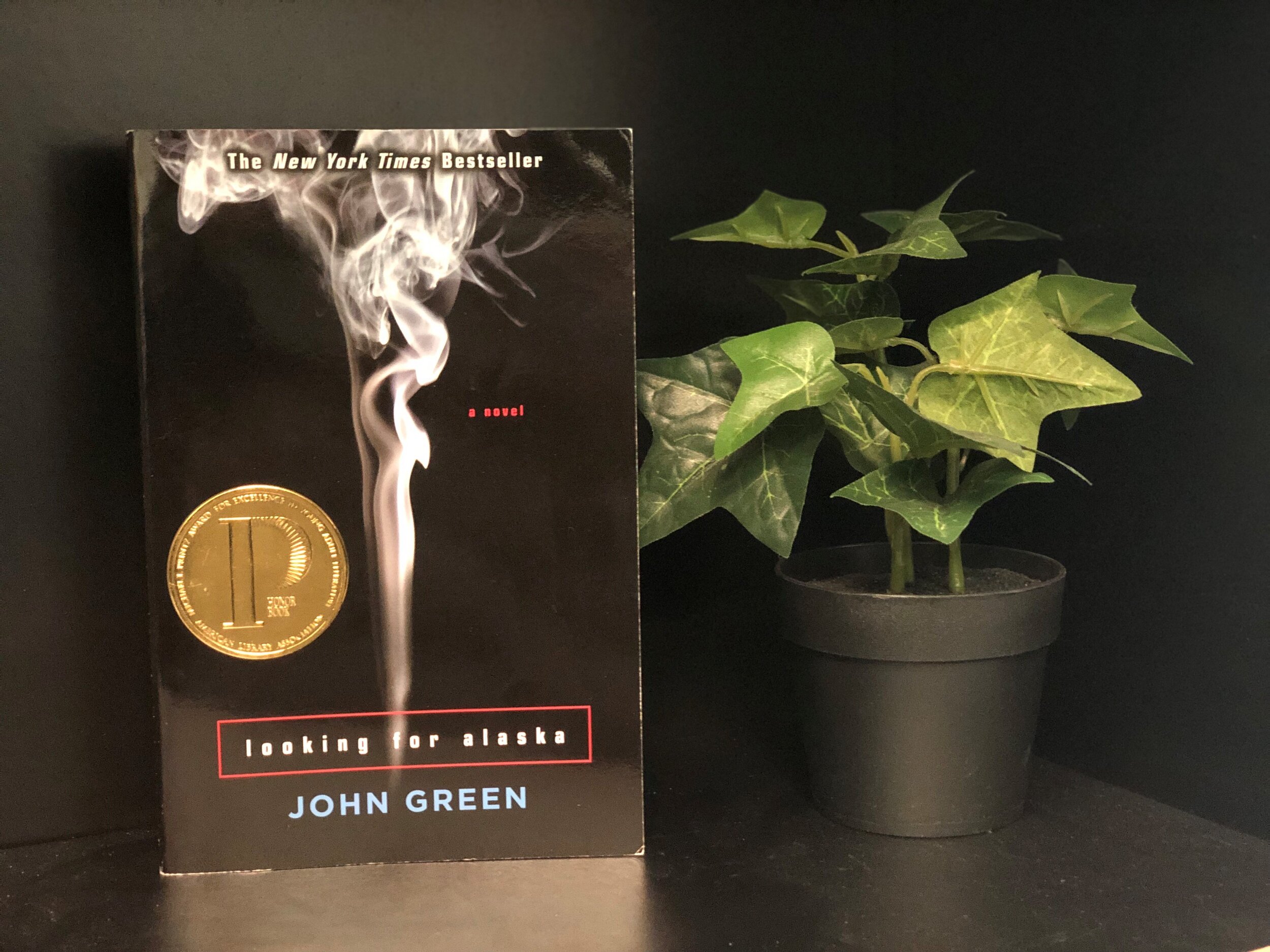
Looking for Alaska by John Green

looking for alaska.jpg

Written from the perspective of Miles, the story tells of a male teen who leaves his high school and joins a co-ed boarding school and ventures out to a new exciting journey. In this new school, Miles joins a social circle where he meets another character, Alaska, a rebellious poetic prankster who alters Miles’ life. 

This YA novel was challenged due to its explicit sexual content between two teenagers. In 2012, Knox and Sumner County High Schools from Tennessee removed the book from the school’s curriculum, after a parent raised issues of its explicit language, ‘encouraging sexual experimentation’, and a ‘sexual gateway’ for teens. In Marion County, Kentucky, the book was also claimed to contain scenes of drug and alcohol use. 

“Looking for Alaska ranked No. 6 on the American Library Association’s Top Ten Challenged Books of 2016.”

The Handmaid’s Tale by Margaret Atwood

handmaid's.jpg

“Set in the near future, The Handmaid’s Tale describes life in what was once the United States and is now called the Republic of Gilead, a monotheocracy that has reacted to social unrest and a sharply declining birthrate by reverting to, and going beyond, the repressive intolerance of the original Puritans… The story is told through the eyes of Offred, one of the unfortunate Handmaids under the new social order.”

This book has been banned from certain U.S. and Canadian high schools due to its sexual degradation of women, religion, and political controversy. In 2008, a parent from Toronto claimed that the novel used “profane language” and “anti-Christian tones” that were deemed inappropriate for 12th grade English classes. A superintendent of the Judson school in Texas removed the book from the English curriculum. “In doing so, the superintendent overruled the recommendation by a committee of teachers, students, and parents. The committee appealed the decision to the school board, which overruled the superintendent in 2006.”

Brown Bear, Brown Bear, What Do You See? By Bill Martin Jr.

brown bear.jpg

In 2010, the Board of Education in Texas mistakenly banned the book, due to a confusion in the author’s name. A board member confused the author, Bill Martin Jr., with Bill Martin, the author of Ethical Marxism: The Categorical Imperative of Liberation.

Nonetheless, the Huffington Post asks: “Why would the political implications of an author’s work for adults be reason to ban his book for children?” The Texas Board of Education perhaps feared that children who enjoy this book would lead to a ‘slippery slope’ to those same students reading Bill Martin’s books in the future. The HuffPost also raised the question: “Was the board afraid that children who enjoyed Brown Bear, Brown Bear, What Do You See? would decide to then read Bill Martin’s complete oeuvre, moving to Polar Bear, Polar Bear, What Do You Hear? — and his other 298 or so books for children — and then quite naturally onto Ethical Marxism?”

donate today

Sources: 

  • www.ala.org/advocacy/bbooks/banned

  • bannedbooksweek.org/banned-spotlight-the-hate-u-give/

  • ncac.org/news/blog/how-i-became-a-lit-activist-a-5-step-guide

  • www.dorrancepublishing.com/censored-story-five-banned-books/

  • world.edu/banned-books-awareness-1984/

  • www.bannedlibrary.com/podcast/2016/12/28/nineteen-eighty-four-1984-by-george-orwell

  • www.history.com/news/wrinkle-in-time-banned-christian-controversy

  • www.oif.ala.org/oif/?p=9315

  • entertainment.time.com/2007/10/02/top-10-book-controversies/

  • www.freedomtoread.ca/challenged-works/the-handmaid%E2%80%99s-tale/#.XYPMHihKhPZ

  • www.huffpost.com/entry/texas-education-board-acc_b_449356

  • /www.csmonitor.com/Books/2012/1003/30-banned-books-that-may-surprise-you/Brown-Bear-Brown-Bear-What-Do-You-See-by-Bill-Martin-Jr

Celebrating Hispanic Heritage Month!

By Omar Jawdat, Blog Intern

At Words Alive, we’re celebrating National Hispanic Heritage Month by taking a look at the history of this month and highlighting lively, cultural books on our curriculum list that connect with Hispanic history and culture! During this month, we recognize the significant contributions and the native heritage of Latin Americans that has existed in the United States since before its colonization. Hispanic Heritage Month began in 1968, beginning from September 15, which is the anniversary of the independence of five Latin countries, including Mexico, Costa Rica, El Salvador, Guatemala, Honduras, and Nicaragua. Today, 18% of the American population are of Hispanic/Latino origin. The term “Hispanic” or “Latino” refers to cultural and ethnic roots from the Carribean, South & Central America, or Spain. 

It is important to incorporate Hispanic authors/characters in both children and young adult novels. It is also vital for students to be introduced to new and different cultures in order to raise awareness of what is happening around the world, as well as in our own country. Many students can also see themselves represented in these books, as it explores empathetic topics and other relatable themes of Hispanic heritage, culture, and language. Hispanic novels enrich and enhance multiculturalism in the classroom, as some students can relate to the characters and plots in these books, which are based off  existing culture that is present today. 

Here is a sample of books exploring Hispanic themes on our Read Aloud and Adolescent Book Group curriculum lists!

Read Aloud Program

An image of a page from Tortillas Are Round. The image features and adult cooking a stew while two young children help. The text says: “Round are tortillas and tacos, too. Round is a pot of abuela’s stew. I can name more round things. Can you?” Sour…

An image of a page from Tortillas Are Round. The image features and adult cooking a stew while two young children help. The text says: “Round are tortillas and tacos, too. Round is a pot of abuela’s stew. I can name more round things. Can you?”

Source: teachinglatinamericathroughliterature.wordpress.com/2014/11/24/mira-look-round-is-a-tortilla-a-book-of-shapes/

Tortillas Are Round by Roseanne Greenfield Thong is a book that focuses on teaching children about shapes, as well as comparing and identifying common objects with those shapes. The story is written in both English and Spanish, allowing the opportunity for students to learn new Spanish words. 

Another book we’re proud to have on our list is Harvesting Hope: The Story of Cesar Chavez by Kathleen Krull. This story introduces students to one of the greatest civil rights leaders, Cesar Chavez, who led a 340-mile peaceful protest march in California, supporting workers’ rights for migrant farmers. The story also explores Cesar Chavez’s background of growing up in poverty with parents who slaved in the fields, having barely enough money to survive.   

Adolescent Book Group

The Adolescent Book Group Program is proud to introduce students to Enrique’s Journey by Sonia Nazario. This is a true story of a brave Honduran boy who faces unimaginable hardships, as he journeys to reunite with his mother in the United States. At age 5, Enrique’s mother left Honduras to work in the U.S. to support her children. At age 16, Enrique ventures out alone from Tegucigalpa with nothing but a slip of his mother’s telephone number from North Carolina. Sonia Nazario is an award-winning journalist whose stories pertain to real world problems. This book, particularly, raises issues of immigration, explores perseverance, and depicts the danger and difficulties of travelling to the U.S. from Central America through Mexico.  

An image of the book Like Water For Chocolate. Source: @fictionmatters on Instagram.

An image of the book Like Water For Chocolate. Source: @fictionmatters on Instagram.

Like Water for Chocolate by Laura Esquivel is a fictional novel, which tells the story of a young girl named Tita who yearns to marry the love of her life, Pedro. However, according to her mother, Tita must follow the family tradition of the youngest daughter not marrying, but taking care of her mother until the day she dies. Pedro ends up marrying Tita’s older sister, Rosaura, instead. This causes Tita’s imense emotions to be infused with her cooking. Anyone who eats her food will feel intense sadness, happiness, longing, or anger. This story brings about themes of magical realism, love, happiness, lust, grief, and rebirth. 

donate today

Sources:

  • ideas.demco.com/blog/hispanic-heritage-month/

  • www.hispanicheritagemonth.org/hispanic-heritage-month/70-national-hispanic-heritage-month-2019

  • www.wearelatinlive.com/article/3332/why-do-we-celebrate-hispanic-heritage-month

Words Alive 2019-2020 Sneak Peek!

By Omar Jawdat, Blog Intern

The new school year has begun, which means  Words Alive’s Adolescent Book Group and Read Aloud Program are back! We are excited to have our volunteers engage with students in the classrooms while reading books out loud and talking about them together. In both programs, our curriculum focuses on a diverse range of popular stories that students can see themselves in and connect with. Here is a sneak peek of just a few of the books that we’ll be reading in the program this year! 

Read Aloud Program: Our Upcoming Curriculum

An image of three of our RAP books: Trick-or-Treat: A Happy Hunter’s Halloween, Dinosaur Bones, and The Boy Who Harnessed the Wind.

An image of three of our RAP books: Trick-or-Treat: A Happy Hunter’s Halloween, Dinosaur Bones, and The Boy Who Harnessed the Wind.

Although children’s books are usually shorter, we want to make sure that each student gets the opportunity to absorb the values of these books, so they can learn from the text and dedicate themselves to truly appreciating all the different books that are brought to them. Rather than merely reading through one book and moving onto the next, our volunteers bring the books to life by asking questions before, during, and after reading aloud to encourage students to participate. This will also help students gain an interest in reading in and outside the classroom. The enjoyment of reading a good book is a valuable aspect in a student’s life, and will help their reading skills in the future. It will also help children develop cognitive language and social-emotional skills. 

October is Halloween month! Which means we will be reading the book titled Trick-or-Treat: A Happy Hunter’s Halloween. The book will introduce students to the creativity of poetry, as it is composed of 15 poems, each with unique Halloween celebrations with bright and colorful illustrations. During reading, our volunteers help students point out words that give the poems that scary Halloween feeling, as well as which lines have rhyming words, how each poem is different, and the emotions behind them. This allows children to learn about alliteration and rhyming patterns. Students are also given the chance to create their own silly alliterations and share their Halloween costumes with their peers.

Volunteers will also be introducing and reading the book Dinosaur Bones. This book will bring the dinosaurs back to life, with Bob Barner’s lively rhyming text and curiosity induced information about dinosaurs. Through paper collages, the book also contains vibrant illustrations of dinosaur bones that can be found in museums. Students will engage with several questions about the variety of dinosaurs, identifying and differentiating them by name, size, weight, and appearance. This will also help children develop an understanding of history (time periods and timelines), and they will learn new terms, as well as other interesting facts! Dinosaur Bones will spark a child’s inner scientist, and make enthusiasts roar with delight.

The Boy Who Harnessed the Wind is the story of a boy named William Kamkwamba, who’s village has been struck by a terrible drought, causing his family and his village to lose all their crops, resulting in having nothing to eat. Through exploring the science books in his village, William found the solution, which was to build a windmill that would bring electricity back to the village, and helps his family pump water to farm the land again. This book inspires children, as well as evokes perseverance, and teaches kids new terms/words, such as “drought” or “windmill”, for example. Students will also be able to learn about the different environments that other kids live in, showing how their lives are different than ours.

Adolescent Book Group Program 

An image of three of our ABG books: A Very Large Expanse of Sea, The Poet X, and Hey, Kiddo.

An image of three of our ABG books: A Very Large Expanse of Sea, The Poet X, and Hey, Kiddo.

Our ABG program serves teenagers from alternative schools who have gone through adversity such as violence, teen pregnancy, and homelessness. Our Words Alive volunteers provide teens with engaging book discussions, writing workshops, and projects that help bring books alive. 

Hey, Kiddo by Jarret J. Krosoczka is one of the books that will be introduced to the classroom for the first time this year! Expressing the unfortunate circumstances of troubled families, Hey Kiddo tells the story of a young man, Krosoczka, who lives with his grandparents, due to his mother being an incarcerated heroin addict. Not knowing who his father is, Krosoczka seeks to find him, while also facing problems with his mother, his daily livelihood, and making it to become an artist. This book depicts the impact of change in one’s life, as many teens struggle to find themselves in identifying who they truly are. This book also explores themes of addiction, abuse, and growing up in a non-traditional environment. The struggling relationships between families and the overwhelming path that leads to achieving success are also impacting aspects of the book. Art is an inspiring theme in the novel, as it is the aspiring focus and profession that Krosoczka wishes to pursue.

Another story that will be presented to the classroom will be The Poet X by Elizabeth Acevedo. This fictional novel surrounds itself on the basis of racial identity, stereotypes, and the bonds between communities. The main character, Xiomara Batista feels neglected and unable to truly speak her mind in her Harlem neighborhood. All her heartfelt thoughts and inner emotions pour out into her notebook, where she writes and recites her words like poetic prayers. Xiomara lives in a religious environment, and falls into a deep crush on a boy named Aman. Students will be able to learn how to break free and have their own voice in life as well. The power of words is also emphasized with this reading, and will also encourage students to participate more in classes, extracurricular events/activities, and develop positive hobbies that they find interesting, or are passionate about.

Last but certainly not least, volunteers will be introduced to A Very Large Expanse of Sea by Tahereh Mafi. Another fiction novel, taking place in 2002. A year after 9/11, the story focuses on race, xenophobia, romance, relationships, and assumptions. Politically, it is an extremely sensitive time, especially for sixteen-year-old Shirin, a Muslim girl living in America. Shirin has to endure prejudice from people demeaning her as an outcast in society because of her religious and racial identity. She is also attacked for the hijab that she wears everyday, which even results in physical violence. Because of her circumstances, she must build protective walls, until she meets Ocean James, who really seems like he wants to get to know her. However, it will be difficult for Shirin to bring her guard down and develop a friendship. The aim of this story is to teach students to respect other cultures and backgrounds different from their own. Students will also learn about stereotypes and unfair treatment, as well as how to form friendships with different types of people, regardless of their religion, sex, or race.  

These books are only a few that we have previewed for a sneak peak into what we’ll be reading with students this year. These engaging themes, topics, diverse stories, characters, and texts are sure to get all of our students excited and interested in reading, as they learn and discover new things this school year!      

donate today


Remembering Carol Goodman

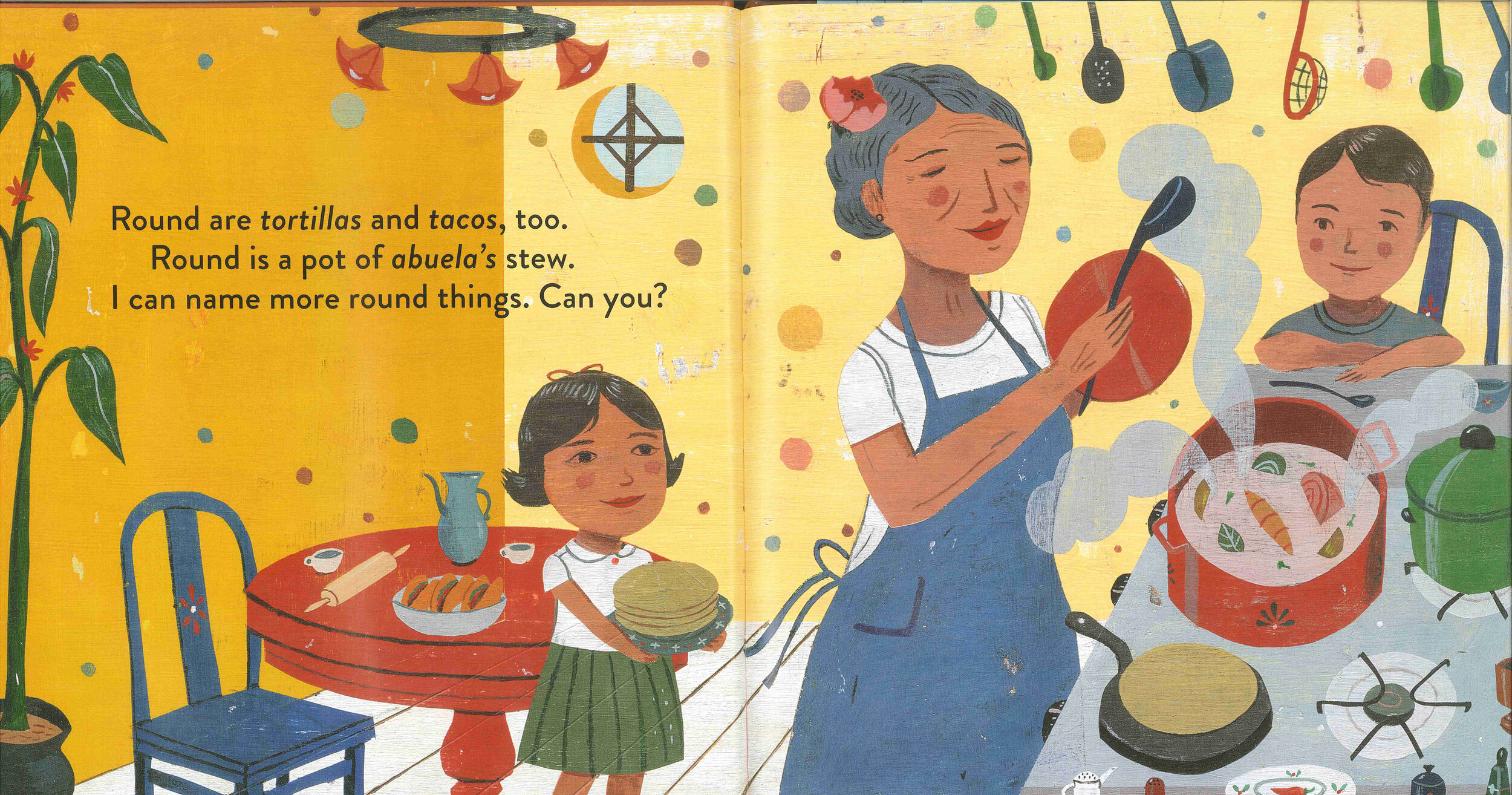
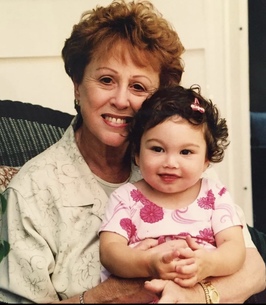
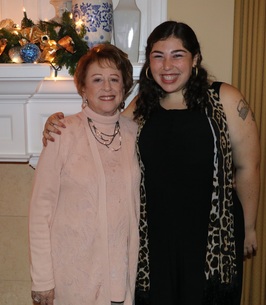
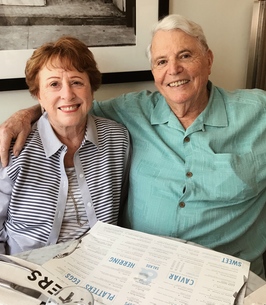
Words Alive is deeply saddened by the passing of one of our founding volunteers and donors, Carol Goodman.

Carol was a board member for Words Alive from 2001-2009. She was instrumental in expanding our Adolescent Book Group into new classrooms, specifically Choice School which at the time was located in City Heights. We continue to serve students in Juvenile Court and Community classrooms today. Carol was a member of the Words Alive Legacy Circle and over the past 20 years, has continued to support Words Alive by celebrating each year with us at the Author’s Luncheon & Fundraiser.

“Carol was a source of endless support to those around her and we all benefited from her energy and glow.”

- Leslye Lyons, Words Alive Founder

 If you would like to read more about the legacy that Carol left, please click HERE